Popular Train Journeys in Europe offer a captivating way to explore the continent’s diverse landscapes and rich history. From breathtaking mountain vistas to charming medieval towns, a train journey provides a unique perspective, allowing you to immerse yourself in the scenery and culture at a more relaxed pace than air travel. This guide delves into the most scenic routes, catering to various interests, and provides practical tips for planning your own unforgettable European train adventure.
We’ll explore the most scenic routes, highlighting their unique features and amenities. We’ll also discuss routes tailored for history buffs and foodies, offering detailed itineraries and practical advice on booking tickets, navigating train stations, and budgeting for your trip. Furthermore, we’ll compare train travel to other transportation options, helping you make informed decisions for your journey.
Most Scenic Train Journeys in Europe: Popular Train Journeys In Europe
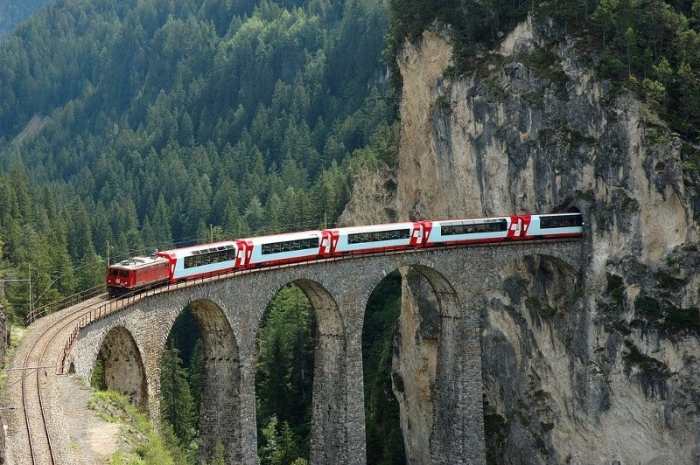
Europe boasts a rich tapestry of landscapes, from snow-capped Alps to sun-drenched Mediterranean coastlines. These breathtaking views are best appreciated from the comfort of a train, offering a unique and relaxing way to explore the continent. This section details some of the most scenic train routes, comparing their amenities and providing a sample itinerary.
Top Five Scenic Train Routes in Europe
The following table highlights five of Europe’s most visually stunning train journeys. The routes vary significantly in length and the types of scenery encountered, offering diverse experiences for travelers. Consider your preferred landscape and travel time when making your selection.
| Route Name | Country | Notable Sights | Recommended Duration |
|---|---|---|---|
| Bernina Express | Switzerland, Italy | Glaciers, alpine lakes, picturesque villages (e.g., Tirano, St. Moritz), dramatic mountain passes. | 4 hours (single journey) |
| Glacier Express | Switzerland | High alpine landscapes, deep gorges, viaducts, charming mountain villages (e.g., Zermatt, St. Moritz). | 7.5 hours (single journey) |
| Trans-Siberian Railway (Moscow to Vladivostok segment) | Russia | Vast Siberian plains, Ural Mountains, Lake Baikal, dense forests, and unique Russian towns and cities. (Note: While not entirely within Europe, this segment is frequently included in European rail adventures.) | Multiple days (typically a week or more) |
| Thello (Paris to Nice) | France, Italy | French countryside, rolling hills of Provence, Mediterranean coastline, charming towns along the route. | 6-8 hours (single journey) |
| Dovre Line (Oslo to Trondheim) | Norway | Fjords, mountains, lakes, forests, and charming Norwegian towns. | 6-7 hours (single journey) |
Comfort and Amenities Comparison
The level of comfort and amenities offered on these routes varies greatly depending on the train operator and the class of service booked. First-class carriages typically provide more spacious seating, enhanced legroom, complimentary meals and drinks, and sometimes even private compartments. Standard class offers a more budget-friendly option, with comfortable seating and adequate legroom, although amenities may be more limited.
For instance, the Bernina Express offers panoramic windows in both classes, but first-class passengers enjoy more personalized service and potentially a complimentary meal. The Trans-Siberian Railway’s comfort levels also vary widely depending on the type of carriage chosen, with options ranging from basic to quite luxurious.
Bernina Express Detailed Itinerary: A Sample Trip
Let’s consider a journey on the Bernina Express from Chur, Switzerland to Tirano, Italy. This stunning route traverses the Swiss Alps, offering unparalleled views of glaciers, lakes, and charming villages.This itinerary assumes a departure from Chur in the morning.* 8:00 AM: Depart Chur. The initial part of the journey takes you through the picturesque Rhine Valley.
9
30 AM: Arrive in Thusis. A short stop allows for photos of the impressive Viaduct of Brusio.
10
30 AM: The train ascends into the high Alps, offering breathtaking views of glaciers and snow-capped peaks.
11
30 AM: Pass through the impressive Alp Grüm station, a popular stop for photos.
12
30 PM: The train descends into Italy, offering a change of scenery from the high Alps to lush valleys.
2
00 PM: Arrive in Tirano, Italy. Explore the charming town and enjoy a traditional Italian lunch.This is just a sample itinerary, and actual travel times may vary slightly. Potential stopover points along the route include St. Moritz (Switzerland), known for its luxury resorts and stunning lake views, and Poschiavo (Switzerland), a charming village with a rich history.
The entire journey offers spectacular scenery and a memorable travel experience.
Popular European Train Routes for Specific Interests
Europe’s extensive rail network offers incredible opportunities for specialized travel. Beyond the scenic routes, journeys can be tailored to specific passions, whether it’s delving into history, indulging in culinary delights, or immersing oneself in art and architecture. This section explores popular train routes catering to these interests.
European Train Routes for History Buffs
Several train routes traverse regions rich in historical significance, providing a unique perspective on Europe’s past. By choosing the right route, travelers can seamlessly combine comfortable rail travel with immersive historical exploration.
- Paris to Berlin: This route offers a journey through the heart of European history.
- Paris: Explore iconic landmarks like the Eiffel Tower, the Louvre Museum, and the Palace of Versailles, each echoing different eras of French history.
- Champagne Region: Witness the landscapes and heritage of Champagne production, a historical industry deeply entwined with French culture and royalty.
- Germany: The journey continues through significant areas of German history, passing regions affected by both World Wars and showcasing the country’s reconstruction and development.
- Berlin: Discover remnants of the Berlin Wall, explore the Brandenburg Gate, and visit the Reichstag Building, symbols of German division and reunification.
- Rome to Florence: This classic Italian route offers a deep dive into the Roman and Renaissance eras.
- Rome: Explore the Colosseum, Roman Forum, and Pantheon, vestiges of the Roman Empire’s power and influence.
- Tuscany: The journey through Tuscany offers glimpses into medieval hilltop towns and rolling landscapes, showcasing the region’s enduring agricultural and artistic heritage.
- Florence: Discover the Duomo, Uffizi Gallery, and Ponte Vecchio, architectural and artistic masterpieces of the Renaissance.
- Budapest to Prague: This route connects two cities with rich histories, offering a fascinating blend of Central European cultures.
- Budapest: Explore Buda Castle, the Hungarian Parliament Building, and the thermal baths, reflecting Hungary’s diverse history under various empires.
- Czech Republic: The journey through the Czech Republic reveals the beauty of the countryside and its historical towns and villages.
- Prague: Discover Prague Castle, Charles Bridge, and the Old Town Square, showcasing Prague’s unique architectural heritage and its place in the Holy Roman Empire and beyond.
European Train Routes for Foodies, Popular Train Journeys in Europe
A culinary journey through Europe by train allows for a delightful exploration of regional specialties and local ingredients. The train itself becomes a moving culinary classroom.
- Lyon to Nice: This route through France offers a taste of regional French cuisine.
- Lyon: Sample Lyonnaise cuisine, known for its bouchons (traditional restaurants) and hearty dishes.
- Provence: Experience the fresh flavors of Provençal cuisine, emphasizing local produce and herbs.
- Nice: Indulge in the seafood and Mediterranean flavors of Nice, showcasing the region’s coastal culinary heritage.
- Lisbon to Porto: This Portuguese route showcases the diversity of Portuguese cuisine.
- Lisbon: Explore traditional Portuguese dishes, including seafood stews and hearty meat dishes.
- Douro Valley: Sample the region’s famous Port wine, alongside local cheeses and cured meats.
- Porto: Enjoy fresh seafood, Francesinha (a unique sandwich), and of course, more Port wine.
- Bologna to Rome: This Italian route offers a culinary tour of Italy’s Emilia-Romagna and Lazio regions.
- Bologna: Indulge in Bolognese cuisine, known for its pasta dishes, cured meats, and rich sauces.
- Tuscany: Enjoy Tuscan specialties, including Florentine steak, truffle dishes, and local cheeses.
- Rome: Explore Roman cuisine, featuring pasta dishes, pizza, and regional specialties.
A Train Journey Focused on Art and Architecture
A journey from Amsterdam to Paris provides a rich experience for those interested in art and architecture.The route starts in Amsterdam, a city renowned for its canals, charming houses, and museums like the Rijksmuseum, showcasing Dutch Masters like Rembrandt and Vermeer. The train journey itself offers scenic views of the Dutch and Belgian countryside before arriving in Paris. Paris, a global hub of art and architecture, offers an unparalleled wealth of experiences.
The Louvre Museum, with its vast collection of art spanning centuries, is a must-see. The Eiffel Tower, a symbol of Paris and a feat of engineering, offers stunning panoramic views. Exploring the city’s architectural gems, from the Gothic Notre Dame Cathedral to the classical Arc de Triomphe, completes the experience. This journey beautifully combines the convenience of train travel with the immersive exploration of art and architecture across two iconic European cities.
Embarking on a European train journey is more than just transportation; it’s an experience. The freedom to relax, enjoy the views, and soak in the atmosphere makes train travel a truly rewarding way to explore Europe. Whether you’re a seasoned traveler or a first-timer, this guide provides the tools and information needed to plan a memorable and efficient trip, allowing you to focus on the joy of discovery and the creation of lasting memories.
So, pack your bags, choose your route, and prepare for an unforgettable adventure across Europe’s stunning railway network.
Essential Questionnaire
What’s the best time of year to travel by train in Europe?
Shoulder seasons (spring and autumn) generally offer pleasant weather, fewer crowds, and potentially lower prices than peak summer months.
How much luggage can I bring on a European train?
Luggage allowances vary by train company and ticket type. Check with your specific carrier for details, but generally, one or two large suitcases and a smaller carry-on are permissible.
Are European trains accessible for people with disabilities?
Accessibility varies widely across different train lines and countries. Check with the specific train company regarding accessibility features and assistance available before booking your trip.
Can I buy train tickets on the day of travel?
While sometimes possible, booking in advance is highly recommended, especially during peak season, to secure your preferred seats and potentially save money.