Budget Accommodation for Long-Term Travelers: Exploring the world on a shoestring doesn’t mean sacrificing comfort. This guide delves into the diverse options available to budget-conscious adventurers seeking extended stays, from cozy hostels to surprisingly affordable hotels and unique alternatives. We’ll navigate the complexities of finding, booking, and maximizing your long-term accommodation experience, ensuring both safety and a fulfilling journey.
This comprehensive guide covers everything from identifying budget-friendly options in various global regions and negotiating lower prices to understanding the essential safety precautions and amenities needed for a comfortable long-term stay. We also explore alternative travel methods like trains, cruises, and road trips, offering valuable tips and tricks to keep your travel costs low while maximizing your experience. Learn how to leverage online platforms, loyalty programs, and insider knowledge to secure the most affordable and enjoyable long-term accommodation possible.
Safety and Security in Budget Accommodation
Staying safe and secure is paramount when traveling on a budget, especially for extended periods. While budget accommodations offer affordability, they may sometimes compromise on security features found in more expensive options. Understanding the risks and proactively implementing safety measures is crucial for a worry-free long-term travel experience. This section details essential precautions to mitigate potential threats and ensure a secure stay.Choosing Safe AccommodationSelecting safe and reputable budget accommodation is the first line of defense.
Carefully evaluating online listings and verifying the legitimacy of the property and its management is essential. Avoid accommodations with overwhelmingly positive reviews, as these may be fabricated. Instead, look for a balance of positive and negative reviews, as this often suggests authenticity. Consider the location; is it well-lit and populated, especially at night? Are there visible security measures like cameras or security personnel?
These visible indicators can offer a degree of reassurance.
Verifying Online Bookings
Several strategies help verify the legitimacy and safety of online bookings. Always book through reputable platforms with robust customer support and established safety protocols. Check the platform’s reviews and user feedback before making a booking. Scrutinize the accommodation’s profile, looking for high-quality photographs, detailed descriptions, and contact information that is readily available and responds promptly. Cross-reference information found on the booking platform with independent reviews and other online sources, such as Google Maps or TripAdvisor.
Beware of deals that seem too good to be true, as these can be a sign of scams. Verify payment methods; avoid using untrusted or unsecured payment gateways. Confirm cancellation policies in case of unexpected circumstances.
Implementing Security Measures within Accommodation
Once you’ve chosen your accommodation, implementing certain security measures further enhances your safety. Upon arrival, inspect the room thoroughly, checking for any signs of forced entry or tampering. Use the provided safety features like door locks and window latches. Consider purchasing a portable door lock for added security, especially if the existing lock seems inadequate. Keep valuables secured in a safe or a hidden compartment, and avoid leaving cash or expensive electronics visible.
Familiarize yourself with emergency exits and procedures. Inform someone you trust of your itinerary and accommodation details, sharing regular updates. If traveling solo, consider sharing your location with a trusted friend or family member using a location-sharing app. Be aware of your surroundings, and avoid displaying expensive jewelry or technology that may attract unwanted attention. Trust your instincts; if a situation or location feels unsafe, remove yourself from it.
Long-Term Accommodation Amenities and Considerations
Choosing the right accommodation for an extended stay requires careful consideration of various factors beyond just the price. Comfort and practicality are key to a successful and enjoyable long-term travel experience. The amenities available and the overall location significantly impact the quality of your stay.Long-term stays necessitate a different approach to accommodation selection than short trips. While a basic room might suffice for a weekend getaway, extended periods demand a more comprehensive evaluation of amenities and location to ensure a comfortable and productive experience.
This section details essential amenities and factors to consider when choosing long-term accommodation.
Essential Amenities for Comfortable Long-Term Stays, Budget Accommodation for Long-Term Travelers
Several amenities significantly improve the quality of life during a prolonged stay. These amenities are not mere luxuries but contribute to maintaining a sense of normalcy and well-being while traveling. The absence of these can negatively impact your overall experience.
- Reliable Wi-Fi: Essential for communication, work, and research. Slow or unreliable internet can severely hamper productivity and connection with loved ones.
- Kitchen Facilities: Access to a kitchen, even a small one, allows for cost-effective meal preparation, promoting healthier eating habits and reducing reliance on expensive restaurants.
- Laundry Facilities: On-site laundry or easy access to laundromats prevents a buildup of dirty clothes, a common problem during extended stays.
- Comfortable Workspace: A dedicated workspace, whether a desk or a well-lit area, is crucial for those working remotely or needing a place to organize their travel plans.
- Sufficient Storage Space: Adequate storage space for clothing, luggage, and personal belongings helps maintain organization and a sense of order.
Comparison of Accommodation Types Regarding Amenities
Different accommodation types offer varying levels of amenities. Understanding these differences is crucial for making an informed decision.
| Accommodation Type | Amenities Typically Included | Benefits | Drawbacks |
|---|---|---|---|
| Serviced Apartments | Fully equipped kitchen, laundry facilities, often Wi-Fi, sometimes cleaning services. | High level of comfort and convenience, self-catering option. | Generally more expensive than other options. |
| Hostels (Private Rooms) | Basic amenities, shared kitchen and bathroom facilities often available. | Budget-friendly, social atmosphere (if desired). | Less privacy and potentially less comfortable than other options. |
| Guest Houses/Bed and Breakfasts | Private rooms, sometimes shared kitchen facilities. | More personal experience than hotels, often located in quieter areas. | Amenities can vary greatly, may lack some conveniences. |
Importance of Location and Accessibility
The location of your long-term accommodation significantly impacts your overall experience. Accessibility to essential services and transportation is paramount.Choosing a location with good public transport links is crucial for easy access to various parts of the city or region. Proximity to supermarkets, pharmacies, and healthcare facilities ensures easy access to essential supplies and services. Consider factors like noise levels, safety, and proximity to attractions depending on your priorities.
For example, a quiet residential area might be preferable for relaxation, while a central location might be better for exploring the city. A location with reliable and safe public transportation is essential for cost-effectiveness and ease of getting around.
Flight Deals and Hacks
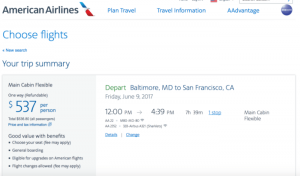
Securing affordable flights is paramount for long-term travelers operating on a budget. This section explores effective strategies and tools to minimize flight costs, helping you maximize your travel time and budget. Understanding the nuances of flight booking platforms and employing smart search techniques can significantly impact your overall travel expenses.Finding the cheapest flights requires a proactive and strategic approach.
It’s not just about luck; it’s about knowing where and when to look, and understanding the tricks of the trade. This involves utilizing various tools, being flexible with your travel dates, and understanding how airlines and booking platforms operate.
Flight Booking Platforms and Tools: Advantages and Disadvantages
Different flight booking platforms offer varying advantages and disadvantages. Some specialize in specific regions or airlines, while others provide broader coverage. Consider these factors when choosing a platform: user interface, search filters, price transparency, customer support, and the range of airlines and routes offered. For example, Skyscanner is known for its comprehensive search capabilities and user-friendly interface, while Google Flights excels in price tracking and visualizing fare trends over time.
However, Skyscanner may occasionally show outdated prices, while Google Flights lacks direct booking in some regions. Momondo, another popular option, often uncovers hidden deals by comparing prices across multiple agencies. However, its interface can feel somewhat cluttered. Ultimately, the best platform depends on individual preferences and travel patterns.
Effective Utilization of Flight Comparison Websites
Effectively using flight comparison websites involves more than just entering your desired destinations and dates. A step-by-step guide to maximize your chances of finding the best deals includes:
- Flexible Dates: Experiment with altering your departure and return dates by a day or two. Often, shifting your travel by a single day can result in significant savings. For example, flying on a Tuesday or Wednesday is typically cheaper than flying on a weekend.
- Multiple Airports: Consider flying into or out of alternative airports near your desired destination. Smaller, less-popular airports frequently offer lower fares. This might involve a slightly longer commute, but the savings could be substantial.
- Incognito Mode: Use your browser’s incognito or private browsing mode. Websites sometimes track your searches and may inflate prices based on your past browsing history.
- Clear Cookies and Cache: Regularly clear your browser’s cookies and cache to prevent websites from tracking your search activity and potentially increasing prices.
- Set Price Alerts: Most flight comparison websites offer price alert features. This allows you to monitor prices for your chosen route and receive notifications when fares drop. This is particularly useful for long-term travel planning, allowing you to book when prices are most favorable.
- Consider Budget Airlines: Budget airlines often offer significantly lower fares, but may have additional fees for baggage, seat selection, or other services. Factor these extra costs into your overall budget when comparing prices.
Proven Strategies for Finding the Cheapest Flights
Several strategies consistently yield cheaper flights. These involve leveraging flexibility, utilizing specific tools, and understanding the airline industry’s pricing mechanisms. For example, booking flights well in advance can sometimes secure lower fares, but this isn’t always the case. Conversely, last-minute deals occasionally appear, particularly for less popular routes or during periods of low demand. Consider using flight aggregators, which consolidate results from multiple booking sites, and be prepared to be flexible with your travel dates and times.
Exploring alternative routes, such as connecting flights instead of direct ones, can also lead to significant cost savings. Remember that the cheapest option isn’t always the best; consider factors like flight duration and layover times to ensure the overall journey is comfortable and feasible.
Train Travel Guides: Budget Accommodation For Long-Term Travelers
Train travel offers a unique blend of adventure and affordability for the long-term budget traveler. It provides a slower pace, allowing for greater appreciation of the landscapes and cultures traversed, often at a lower cost than flying, especially for longer distances. This guide explores the practicalities and advantages of using trains for extended journeys.Train travel presents a compelling alternative to other modes of transportation, particularly for long-term budget travelers.
A detailed comparison of costs and convenience against flying and buses will illuminate the circumstances where train travel proves most beneficial.
Cost and Convenience Comparison of Train Travel
The cost-effectiveness of train travel varies considerably depending on the region and distance. In some parts of Europe, for example, extensive rail networks and frequent discounts make train travel significantly cheaper than flying, especially when considering the added costs of airport transfers and baggage fees. However, in other regions, particularly in less developed countries, bus travel might offer a more economical option.
Convenience is another factor. Trains generally offer more comfort than buses, with more legroom and often amenities like restrooms and food services. While flying is undeniably faster for long distances, the time spent at airports, security checks, and potential flight delays can negate this advantage. For instance, a journey between Paris and Rome might take considerably longer by train but offer a more relaxed and scenic experience, potentially offsetting the time difference with a lower overall cost.
Conversely, a short hop between two nearby cities might be far more economically viable by bus.
Rail Pass Considerations for Extended Travel
Rail passes, offering unlimited travel within a specific region for a set period, can be a cost-effective option for long-term travelers. However, careful planning is crucial. The potential savings depend on the number of journeys planned and the cost of individual tickets. A rail pass might be less economical if you are only taking a few journeys or focusing on shorter distances.
For instance, a Eurail pass offers extensive travel across Europe, making it ideal for those backpacking across multiple countries. However, a similar pass covering a smaller region might be less worthwhile if your travel plans are more concentrated. Furthermore, the type of rail pass (e.g., first class vs. second class) impacts the cost significantly, and travelers should carefully consider their budget and comfort preferences when making their selection.
Booking in advance usually provides the best prices and pass availability.
Booking Train Tickets: Tips and Strategies
Securing affordable train tickets requires a strategic approach. Booking well in advance often unlocks the lowest fares, particularly for popular routes and peak travel seasons. Utilizing official railway websites and comparison websites allows travelers to find the best deals and compare options across different train operators. Consider traveling during off-peak hours or on less popular days to potentially reduce costs.
Many railway companies offer discounts for students, seniors, or groups, which long-term travelers should investigate to potentially reduce expenses. For example, many European train companies offer significant discounts for bookings made several weeks in advance. Furthermore, exploring local and regional train services can sometimes offer cheaper alternatives to major national operators.
Cruise Ship Reviews (Budget Focused)
Choosing a cruise for long-term budget travel might seem unconventional, but it offers a unique blend of accommodation, transportation, and entertainment, potentially saving money compared to traditional land-based options. However, careful planning and realistic expectations are crucial for maximizing cost-effectiveness and minimizing potential drawbacks. This section examines budget-friendly cruise options and experiences from travelers who’ve embraced this extended travel style.Considering the diverse range of cruise lines and their pricing structures, it’s important to understand the factors influencing budget-friendly options for extended voyages.
Several lines offer promotions and discounts for longer stays, making them surprisingly affordable compared to paying for separate hotel stays and transportation over the same period. However, the “all-inclusive” nature of cruise pricing can sometimes mask hidden costs.
Budget Cruise Line Comparisons
Several cruise lines cater to budget travelers, although the definition of “budget” is relative and depends on individual spending habits. Lines like Fred. Olsen Cruise Lines and Costa Cruises often offer competitive pricing for longer itineraries, especially during shoulder seasons (spring and fall). However, these lines might not offer the same level of luxury or amenities as premium lines.
A thorough comparison of their itineraries, included amenities (food, entertainment, excursions), and potential extra costs is essential before booking. For example, Fred. Olsen often includes more shore excursions in their prices, whereas Costa may require more add-on purchases.
Long-Term Budget Traveler Experiences
Several online forums and travel blogs feature accounts of long-term travelers who’ve utilized cruise ships for extended periods. These accounts often highlight the convenience of having accommodation, meals, and transportation all handled in one package. However, they also point out the potential for cabin fever, limited shore excursion choices in some itineraries, and the need for careful budgeting to avoid exceeding initial cost estimations due to onboard spending.
One traveler, for instance, documented their six-month cruise, detailing how they saved money by utilizing onboard amenities (like the gym and library) and opting for less expensive dining options instead of specialty restaurants. Another traveler described the challenges of adapting to the cruise ship’s social environment over an extended period.
Cost Savings and Drawbacks of Long-Term Cruise Travel
The potential cost savings of long-term cruise travel stem from the bundled nature of the service. Accommodation, three meals a day, and transportation between destinations are all included in the initial price. However, potential drawbacks include limited flexibility (you’re bound to the ship’s itinerary), potential boredom from the confined environment, and extra costs from onboard purchases (drinks, excursions, specialty dining).
Furthermore, the initial cost, even for budget lines, can still be substantial, requiring careful savings and planning. A comparison of the total cost of a six-month cruise against the cost of six months of renting an apartment and independent travel would be essential to determining true cost-effectiveness. For instance, a six-month cruise might seem expensive upfront, but if you factor in the cost of flights, accommodation, and daily meals for a similar length of land-based travel, the cruise might be surprisingly comparable or even cheaper.
Road Trip Guides (Budget Focused)
Embarking on a budget-friendly road trip requires meticulous planning and resourcefulness. This guide focuses on minimizing expenses while maximizing the enjoyment of your journey, specifically across the American Southwest, a region brimming with stunning natural beauty and rich cultural heritage. We’ll explore strategies for managing fuel costs, finding affordable food options, securing budget-friendly accommodations, and discovering free or low-cost activities and attractions.
Southwest USA Road Trip Itinerary (14 Days)
This itinerary prioritizes affordability and showcases the diversity of the Southwest. It assumes a starting point in Las Vegas, Nevada, but can be adapted based on your origin.
Day 1-3: Las Vegas & Valley of Fire State Park: Explore the vibrant (and sometimes budget-friendly!) offerings of Las Vegas. Then, head to Valley of Fire State Park, enjoying its stunning red rock formations with minimal entrance fees. Camping is a very budget-friendly option here.
Day 4-5: Zion National Park: Drive to Zion National Park, utilizing free shuttle services within the park to avoid parking fees. Hike the Pa’rus Trail (paved and accessible) or Emerald Pools Trail (moderate difficulty). Consider camping within or near the park for affordable accommodation.
Day 6-7: Bryce Canyon National Park: Continue to Bryce Canyon, known for its unique hoodoo rock formations. Again, utilize the free shuttle system and consider camping for budget-friendly accommodation. Hiking options range from easy to strenuous, offering breathtaking views.
Day 8-9: Monument Valley Navajo Tribal Park: Experience the iconic sandstone buttes of Monument Valley. Entrance fees apply, but consider a guided Navajo tour for a more immersive and culturally enriching experience. Camping or budget motels in nearby towns are options.
Day 10-11: Antelope Canyon & Horseshoe Bend: Visit the breathtaking Antelope Canyon (tour fees apply, book in advance!) and the iconic Horseshoe Bend overlook (free entry, but be prepared for a short hike). Find budget-friendly lodging in Page, Arizona.
Day 12-13: Grand Canyon National Park (South Rim): Marvel at the grandeur of the Grand Canyon. Entrance fees apply. Consider hiking a portion of the South Rim Trail or taking a mule ride (expensive, but a unique experience). Budget-friendly lodging options exist in nearby Tusayan.
Day 14: Return to Las Vegas: Begin your journey back to Las Vegas, reflecting on the incredible landscapes and experiences of your Southwest adventure.
Minimizing Road Trip Costs
Effective cost management is crucial for a successful budget road trip.
Fuel Efficiency: Plan your route efficiently to minimize driving distance. Consider using a fuel efficiency app to find the cheapest gas stations along your route. Driving at a consistent speed (avoiding aggressive acceleration and braking) significantly improves fuel economy. Properly inflated tires also contribute to better fuel efficiency.
Food Costs: Pack plenty of snacks and non-perishable food items. Utilize grocery stores for purchasing meals rather than relying on restaurants. Look for opportunities to cook your own meals, perhaps using a camping stove if you’re camping. Many campgrounds have picnic tables and grills.
Accommodation: Camping is the most budget-friendly accommodation option. Consider utilizing national park campgrounds or dispersed camping (where permitted). Look for budget motels or hostels outside of major tourist areas. Websites and apps like Airbnb can offer affordable alternatives to hotels.
Free and Low-Cost Activities
The Southwest offers numerous opportunities for free or low-cost enjoyment.
Hiking: Many national and state parks offer stunning hiking trails with free entry (though park entrance fees may apply). Always check trail conditions and difficulty levels before embarking on a hike. Carry plenty of water.
Scenic Drives: The Southwest boasts incredible scenic byways and routes. Simply driving and enjoying the breathtaking landscapes can be a rewarding and cost-effective activity.
Stargazing: The Southwest’s clear night skies offer exceptional stargazing opportunities. Find a dark location away from city lights and enjoy the celestial show.
Free Events and Festivals: Check local event listings for free concerts, festivals, or community gatherings along your route. Many towns and cities offer free walking tours or historical sites with minimal or no entry fees.
RV and Camper Travel
Embarking on a long-term journey in an RV or campervan offers a unique blend of freedom and adventure. However, the financial aspects of this travel style require careful consideration before you hit the road. Understanding the costs involved – from initial investment to ongoing maintenance – is crucial for ensuring a successful and enjoyable extended trip.The financial implications of RV or campervan travel are multifaceted, encompassing initial purchase or rental fees, ongoing maintenance and repair costs, fuel expenses, campsite fees, and insurance.
These costs can vary significantly depending on the type of vehicle, its age and condition, the length of the trip, and your travel style. Budgeting meticulously is essential to avoid unexpected financial strain and ensure your adventure remains sustainable.
RV and Campervan Acquisition Costs
Purchasing a used RV or campervan is generally more affordable than buying new, but requires a thorough inspection to identify potential repair needs. The purchase price will vary greatly based on size, age, features, and condition. A well-maintained, smaller campervan might cost between $10,000 and $30,000, while a larger, more luxurious RV could easily exceed $100,000. Renting, on the other hand, provides flexibility but can be expensive for long-term travel.
Monthly rental fees can range from $1,000 to $5,000 or more, depending on the vehicle type and rental company. Therefore, a comprehensive cost-benefit analysis comparing purchase versus rental is crucial for long-term travel planning. For instance, renting for a year might cost more than purchasing a used vehicle, especially if factoring in potential maintenance expenses.
Ongoing Maintenance and Repair Costs
Maintaining an RV or campervan requires regular upkeep and can incur significant expenses over time. Routine maintenance includes oil changes, tire rotations, and inspections. Unexpected repairs, such as engine problems or appliance malfunctions, can be costly and unpredictable. A realistic budget should include a contingency fund for these unforeseen events. For example, a major engine repair could easily cost several thousand dollars.
Regular preventative maintenance, however, can help mitigate these costs. Keeping detailed records of all maintenance and repairs is highly recommended.
Finding Affordable Campsites and RV Parks
Securing affordable campsites and RV parks is key to managing long-term travel expenses. Websites and apps dedicated to RV camping, such as Campendium and The Dyrt, provide reviews and cost comparisons for various locations. Consider exploring options beyond traditional RV parks, such as dispersed camping on public lands (where permitted), boondocking (camping without hookups), or utilizing membership programs that offer discounts.
These strategies can significantly reduce the overall cost of accommodation during your extended journey. For example, dispersed camping is typically free but requires self-sufficiency in terms of water and waste disposal.
Unique Stays and Treehouses
For the long-term traveler seeking an experience beyond the standard hotel or hostel, unique accommodations offer a captivating alternative. These options provide a chance to immerse oneself in a different culture, environment, and lifestyle, often at a surprisingly competitive price point compared to extended stays in traditional lodging. Choosing a unique stay can significantly enhance the overall travel experience, offering memories far beyond a typical hotel room.Stepping away from the familiar comforts of a hotel room can present both advantages and disadvantages.
While unique accommodations might lack the consistent amenities of a hotel chain, they often compensate with unparalleled character, location, and opportunities for cultural immersion. The cost can vary wildly depending on location, season, and the type of accommodation, sometimes proving more economical than prolonged hotel stays, particularly if you factor in the value of the unique experience.
Types of Unique Long-Term Stays
Choosing a unique stay for an extended period requires careful consideration. Factors such as climate, access to amenities (internet, laundry facilities), and overall comfort level must be weighed against the allure of the unusual. Below is a table outlining several options and their suitability for longer stays.
| Accommodation Type | Location Example | Price Range (USD per month) | Key Features |
|---|---|---|---|
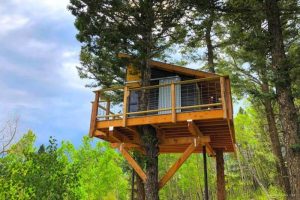
| Treehouse | Costa Rica (various locations) | $800 – $3000+ | Immersive nature experience, unique perspective, potential for limited amenities depending on location and build. Requires adaptability to varying weather conditions. |
| Yurt | Mongolia (Gobi Desert) or various glamping sites globally | $500 – $2000+ | Traditional nomadic dwelling, often located in scenic areas, may lack modern amenities, suitable for those seeking a simpler lifestyle. Requires appropriate clothing and gear for varied climates. |
| Cabin/Cottage | Rural areas of Europe, North America, or New Zealand | $700 – $2500+ | Rustic charm, often located in nature, varying levels of amenities depending on location and rental, good option for those seeking peace and quiet. May require vehicle access in more remote locations. |
| Converted Barn/Stable | Rural England, France, or the United States | $1000 – $4000+ | Unique character, often spacious, potential for modern amenities depending on conversion, requires tolerance for rustic charm and potential for limited soundproofing. |
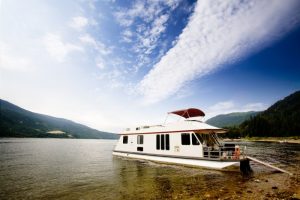
| Houseboat | Amsterdam, Netherlands or various canals and waterways globally | $1200 – $5000+ | Unique living experience, water views, often located in city centers, requires comfort with potential boat movement and water-related noises. Amenities vary greatly. |
Cost Considerations for Unique Stays
The cost of unique accommodations varies dramatically based on location, amenities, and the time of year. While some options might be cheaper than hotels for extended stays, others could be significantly more expensive. Factors such as utilities (electricity, water, heating), internet access, and laundry facilities should be considered in addition to the base rental cost. It’s crucial to thoroughly research and compare prices before committing to a long-term stay in a unique accommodation.
For example, a remote treehouse might offer a lower base rental but require substantial additional costs for transportation and supplies. Conversely, a converted barn in a rural area might offer more space and amenities for a comparable or even lower price than a city hotel.
Houseboat and Yacht Stays (Budget Considerations)
Living aboard a houseboat or yacht for extended periods might seem like a luxurious, expensive dream, but with careful planning and a strategic approach, it can be a surprisingly affordable—and incredibly unique—way to travel long-term. The key is to carefully consider location, vessel type, and ongoing expenses to maximize cost-effectiveness.Houseboat and yacht living offers a blend of adventure and affordability, particularly when compared to traditional hotel stays over extended periods.
While initial costs might seem high, the potential for significant savings on accommodation and even food (depending on your approach to provisioning) makes it a viable option for budget-conscious travelers willing to embrace a more unconventional lifestyle. Factors such as mooring fees, maintenance, and insurance play a significant role in the overall cost, and careful research is essential before committing to this type of extended stay.
Cost-Saving Strategies for Houseboat and Yacht Stays
Several strategies can significantly reduce the cost of long-term houseboat or yacht stays. Careful consideration of these points can transform a seemingly extravagant travel style into a budget-friendly adventure.Choosing a smaller, older vessel significantly reduces the purchase price and ongoing maintenance costs. A well-maintained, slightly older model often offers the same functionality as a newer, more expensive one.
Furthermore, opting for a simpler vessel with fewer amenities can dramatically cut down on running costs, such as electricity and water consumption. Regular maintenance is key to preventing costly repairs down the line. Prioritizing essential repairs promptly prevents minor issues from escalating into major, expensive problems.
Budget-Friendly Locations for Houseboat and Yacht Stays
Certain locations offer more budget-friendly options for houseboat and yacht stays than others. These locations often feature lower mooring fees, readily available affordable vessels, and a lower overall cost of living.Southeast Asia (Thailand, Vietnam): Many areas in Southeast Asia offer affordable houseboat rentals and mooring options, especially in less touristy areas. The cost of living on land is also generally lower, allowing for savings on food and other essentials.
Imagine cruising through the stunning Halong Bay in Vietnam, enjoying the breathtaking scenery while keeping costs surprisingly low.The Great Loop (USA): While initially requiring a larger investment in a suitable vessel, navigating the Great Loop—a popular waterway system in the United States—can offer a cost-effective way to travel extensively while enjoying a comfortable, self-sufficient lifestyle. Sharing mooring fees with other boaters or utilizing free anchoring locations can significantly reduce costs.Canadian Inland Waterways: Similar to the Great Loop, Canada’s extensive network of inland waterways presents opportunities for budget-conscious long-term travel.
The beauty of the Canadian landscape and relatively affordable mooring fees in certain areas make this a viable option for those seeking a more secluded and nature-focused experience.
Ultimately, successful long-term budget travel hinges on meticulous planning, resourcefulness, and a willingness to embrace diverse accommodation options. By understanding the nuances of different accommodation types, leveraging online tools effectively, and prioritizing safety, you can embark on an extended adventure without breaking the bank. Remember, the journey is as important as the destination, and with careful planning, budget-friendly accommodation can enhance, not hinder, your long-term travel experience.
This guide provides the tools and knowledge you need to make your dream of extended travel a reality.
Detailed FAQs
What’s the best time of year to find budget accommodation?
Shoulder seasons (spring and autumn) often offer lower prices and fewer crowds than peak tourist times.
How can I avoid scams when booking long-term accommodation online?
Use reputable booking platforms, verify reviews, and communicate directly with the host before making any payments. Look for secure payment gateways and avoid deals that seem too good to be true.
What are some essential items to pack for a long-term stay in budget accommodation?
Pack versatile clothing, essential toiletries, a universal adapter, a portable charger, and any necessary medications. Consider a travel towel, reusable water bottle, and lock for added security.
Can I negotiate the price of long-term stays even after booking?
It’s often possible, especially if you’re extending your stay. Politely inquire about potential discounts or extended-stay rates.