Airbnb vacation rentals have revolutionized the travel industry, offering a diverse range of accommodations and experiences beyond traditional hotels. From cozy apartments in bustling city centers to luxurious villas in secluded tropical paradises, Airbnb provides travelers with unparalleled choice and flexibility. This guide delves into the multifaceted world of Airbnb, exploring its market dynamics, guest experiences, host strategies, pricing models, legal considerations, and competitive landscape.
We’ll uncover the secrets to successful hosting, examine the advantages and disadvantages compared to hotels, and provide practical tips for planning unforgettable trips.
We’ll cover everything from optimizing your listing for maximum bookings to navigating the legal intricacies of short-term rentals. Learn how to leverage data analytics for smart pricing, understand guest expectations, and build a thriving Airbnb business. Whether you’re a seasoned traveler or a prospective host, this comprehensive guide will equip you with the knowledge and insights needed to navigate the exciting world of Airbnb vacation rentals.
Airbnb Vacation Rental Market Overview: Airbnb Vacation Rentals
The Airbnb vacation rental market has experienced explosive growth, transforming the hospitality industry and offering both travelers and hosts unprecedented opportunities. Its size is substantial, encompassing millions of listings globally, generating billions in revenue annually. This market’s continued expansion is driven by factors such as increasing global travel, the rise of the sharing economy, and the appeal of unique and authentic travel experiences.
Key players include Airbnb itself, of course, but also various property management companies that assist hosts in managing their listings and optimizing their revenue streams.The market’s growth trajectory shows a consistent upward trend, although fluctuations can occur due to external factors like economic downturns or global events. However, the overall long-term outlook remains positive, fueled by the ongoing shift towards experience-based travel and the increasing preference for alternative accommodations over traditional hotels.
Understanding this dynamic market is crucial for both prospective hosts and travelers alike.
Types of Airbnb Properties
Airbnb’s diverse offerings cater to a wide range of traveler preferences and budgets. The platform hosts a vast selection of properties, extending far beyond the typical hotel room. This variety is a key driver of the platform’s success.
Apartments, ranging from cozy studios to spacious multi-bedroom units, represent a significant portion of the listings. These often appeal to budget-conscious travelers or those seeking a more local experience. Houses, offering more space and privacy, are another popular choice, particularly for families or groups of friends. Villas, often luxurious and located in desirable destinations, cater to high-end travelers seeking opulent accommodations and exclusive amenities.
Finally, unique stays, such as treehouses, yurts, or castles, offer truly unforgettable experiences and cater to those seeking adventure and novelty.
Successful Airbnb Rental Strategies
Successful Airbnb hosts often employ a combination of strategies to maximize their occupancy rates and revenue. These strategies are not static and require adaptation based on market conditions and individual property characteristics.
Effective pricing strategies are paramount. Hosts often utilize dynamic pricing tools that adjust rates based on demand, seasonality, and local events. For instance, a host in a popular ski resort town might significantly increase prices during peak season and offer discounts during the off-season. Professional photography is crucial to showcasing the property’s best features. High-quality images and virtual tours can significantly impact booking rates.
Detailed and accurate property descriptions are equally important, providing potential guests with all the necessary information to make an informed decision. Responsiveness to guest inquiries is also a critical element, ensuring a positive and efficient booking experience. Many successful hosts maintain consistent communication with guests, addressing any concerns or questions promptly. Finally, positive reviews are invaluable, and hosts actively encourage guests to leave feedback.
Guest Experiences on Airbnb
Booking and staying in an Airbnb vacation rental offers a unique guest experience, differing significantly from traditional hotel stays. Guests often cite a sense of homeliness and local immersion as key advantages. The entire process, from initial search and booking to check-out, shapes the overall experience.The typical Airbnb guest journey begins with browsing the platform’s extensive listings, filtering options based on location, price, amenities, and guest reviews.
Once a suitable property is found, guests communicate with the host to clarify details, confirm availability, and finalize the booking. Upon arrival, guests typically find detailed check-in instructions, either via a digital lockbox or direct host interaction. During their stay, guests enjoy the amenities of the rental property, and often interact with the host for any queries or assistance needed.
Check-out usually involves following specific instructions provided by the host, often involving cleaning and key return procedures.
Factors Influencing Guest Satisfaction
Several key factors significantly contribute to guest satisfaction on Airbnb. Cleanliness consistently ranks as a top priority; a spotless and well-maintained property sets a positive tone for the entire stay. Effective and responsive communication with the host is equally crucial, ensuring prompt assistance with any issues or questions that may arise. The availability of essential amenities, such as comfortable bedding, well-equipped kitchens, and reliable Wi-Fi, enhances the overall comfort and convenience of the stay.
Finally, the location of the property plays a vital role; proximity to attractions, transportation, and local amenities greatly impacts the guest experience. A poorly located property, regardless of its other attributes, can detract from the overall satisfaction.
Airbnb Experiences vs. Traditional Hotel Stays
Airbnb and traditional hotel stays offer distinct advantages and disadvantages. Airbnb rentals often provide a more personalized and authentic experience, allowing guests to immerse themselves in the local culture and enjoy greater space and privacy compared to standard hotel rooms. The cost can often be lower, particularly for larger groups or longer stays. However, consistency in quality can vary significantly between Airbnb listings, and guests may encounter unexpected issues with cleanliness or amenities.
The lack of on-site services, such as daily housekeeping or 24/7 concierge assistance, may also be a drawback for some.In contrast, traditional hotels offer standardized service, amenities, and levels of cleanliness. Guests can generally expect consistent quality and readily available support. On-site amenities like pools, gyms, and restaurants are common. However, hotel rooms tend to be smaller and less personalized, and the cost can be significantly higher, especially for larger groups or extended stays.
The impersonal nature of a large hotel can also detract from the sense of local immersion often associated with Airbnb stays. For example, a family of five might find a spacious Airbnb apartment more affordable and comfortable than five separate hotel rooms. Conversely, a business traveler might prefer the convenience and consistent service of a well-known hotel chain.
Airbnb Host Strategies for Success
Successfully hosting on Airbnb requires a strategic approach encompassing various aspects, from optimizing your listing to managing bookings and guest interactions effectively. This guide provides actionable steps to enhance your Airbnb business and maximize its potential for profitability and positive guest experiences. By focusing on key areas like photography, description writing, pricing strategies, and proactive communication, hosts can significantly improve their booking rates and build a strong reputation within the platform.
Optimizing Airbnb Listings for Higher Bookings
High-quality photography is crucial for attracting potential guests. Professional, well-lit photos showcasing the property’s best features—spacious rooms, stunning views, and unique amenities—are essential. Images should be high-resolution, accurately represent the space, and ideally include photos of the surrounding neighborhood. Descriptions should be detailed, engaging, and accurate, highlighting key selling points and answering potential guest questions proactively. Use s relevant to your location and property type to improve search engine optimization ().
Pricing should be competitive yet profitable, considering factors like location, seasonality, amenities, and comparable listings. Regularly review and adjust your pricing strategy to optimize revenue.
Managing Bookings and Guest Interactions
A streamlined booking process is key to a smooth guest experience. Utilize Airbnb’s built-in messaging system for efficient communication. Respond promptly to inquiries, providing clear and helpful information. Develop a detailed check-in/check-out process, including clear instructions and contact information. Create a welcome guide with essential information about the property, local attractions, and emergency contacts.
Proactive communication throughout the guest’s stay can prevent potential issues and foster positive reviews. Establish clear house rules and communicate them effectively to guests beforehand. Address guest concerns promptly and professionally, aiming for swift resolution of any issues that may arise.
Successful Airbnb Host Examples and Strategies
One successful Airbnb host, let’s call her Sarah, transformed her unused guest house into a thriving Airbnb business. Her strategy focused on high-quality photography, showcasing the property’s charming features and nearby attractions. She also crafted a detailed and engaging description, highlighting unique amenities like a private garden and complimentary breakfast. Sarah actively engaged with guests, providing personalized recommendations and ensuring a comfortable stay.
Her consistent positive reviews and proactive communication led to repeat bookings and strong word-of-mouth referrals. Another example is a host who successfully manages multiple properties by utilizing property management software to streamline bookings, communication, and cleaning schedules. This allows them to scale their business efficiently while maintaining high standards of guest service. They also invest in professional cleaning services and employ a local handyman for quick maintenance repairs, ensuring a consistent and positive guest experience across all their properties.
These examples demonstrate the importance of strategic planning, efficient management, and excellent guest service in building a successful Airbnb business.
Pricing Strategies for Airbnb Rentals
Setting the right price for your Airbnb rental is crucial for maximizing occupancy and revenue. A well-defined pricing strategy considers various factors, balancing profitability with competitiveness to attract guests and maintain a healthy booking rate. Ignoring these factors can lead to lost revenue or undercutting your potential earnings.
Airbnb Pricing Models: A Comparison
Several pricing models exist for Airbnb rentals, each with its strengths and weaknesses. The optimal choice depends on factors such as the property’s location, amenities, and target market. A simple, static pricing model may suffice for less dynamic markets, while a more sophisticated, dynamic approach is often necessary in high-demand areas. Consider these common models:
- Static Pricing: This involves setting a fixed nightly rate throughout the year. It’s simple to manage but may not capture fluctuations in demand.
- Dynamic Pricing: This adjusts prices based on real-time factors like seasonality, competitor pricing, and demand. Tools and software are often used to automate this process, maximizing revenue based on market conditions.
- Value-Based Pricing: This sets prices based on the perceived value of the property and its amenities, rather than solely on market rates. This model is effective when offering unique features or experiences that justify a premium price.
- Competitive Pricing: This involves setting prices in line with comparable properties in the same area. Analyzing competitor listings helps determine a competitive yet profitable rate.
Data Analytics for Pricing Optimization
Data analytics plays a critical role in optimizing Airbnb pricing. By analyzing historical booking data, occupancy rates, and competitor pricing, hosts can identify patterns and trends to inform their pricing decisions. Tools like Airbnb’s own analytics dashboard, or third-party pricing software, provide insights into factors such as:
- Seasonality: Identifying peak and off-peak seasons allows for adjusting prices accordingly. For example, a coastal property might charge significantly more during summer months.
- Demand: Analyzing booking calendars and lead times helps predict demand and adjust prices to maximize revenue during high-demand periods. A major local event could justify a temporary price increase.
- Competitor Pricing: Monitoring competitor prices helps ensure your property remains competitive while maintaining profitability. Understanding what similar properties are charging can inform pricing decisions.
Using this data, hosts can create a more precise pricing calendar, adjusting prices based on predicted demand and market conditions. For example, a host might use data to predict a surge in bookings during a local festival and increase prices accordingly, then lower them during the quieter off-season.
Developing a Comprehensive Pricing Strategy
A robust pricing strategy should incorporate all relevant costs to ensure profitability. This includes:
- Nightly Rate: The base price for a single night’s stay.
- Cleaning Fee: A separate fee to cover the cost of cleaning the property after each guest’s departure. This fee is often set as a fixed amount or a percentage of the nightly rate.
- Service Fee: Airbnb’s commission, deducted from the host’s earnings.
- Other Costs: Consider utilities (electricity, water, gas), maintenance, insurance, and potential property taxes when determining your nightly rate to ensure profitability.
To calculate a profitable nightly rate, consider the formula: Profitable Nightly Rate = (Total Revenue – Total Costs) / Number of Nights Booked.
By carefully analyzing these factors and utilizing data analytics, hosts can develop a dynamic pricing strategy that maximizes revenue while maintaining a healthy occupancy rate. For instance, a host might set a higher nightly rate during peak season to offset increased cleaning and utility costs, while offering a lower rate during the off-season to attract more bookings.
Legal and Regulatory Aspects of Airbnb
Operating an Airbnb rental involves navigating a complex web of local, regional, and national laws and regulations. Understanding these legal frameworks is crucial for both hosts and guests to ensure compliance and avoid potential liabilities. Failure to comply can result in fines, legal action, and damage to reputation.
Airbnb Regulations Vary Widely by Location
Local laws governing short-term rentals differ significantly across jurisdictions. Some cities and regions actively encourage short-term rentals through streamlined permitting processes, while others have imposed strict regulations or outright bans due to concerns about housing affordability, noise pollution, and neighborhood character. For example, Barcelona, Spain, has implemented stringent regulations requiring licenses for short-term rentals, limiting the number of days a property can be rented, and imposing hefty fines for non-compliance.
Conversely, some areas in the United States have relatively lax regulations, with minimal permitting requirements. Hosts must research the specific rules and regulations in their location, including zoning laws, occupancy limits, tax obligations, and any required permits or licenses.
Host Responsibilities Under Local Laws
Airbnb hosts bear significant responsibility for adhering to all applicable laws and regulations. This includes obtaining necessary permits and licenses, collecting and remitting local taxes (such as hotel taxes or occupancy taxes), complying with building codes and safety regulations, and ensuring the property meets all health and safety standards. Failure to comply can lead to legal penalties, including fines and potential legal action from local authorities.
Furthermore, hosts have a responsibility to provide accurate and complete information to guests, including details about local rules and regulations that may affect their stay. For instance, noise restrictions, parking regulations, and waste disposal guidelines should be clearly communicated to guests.
Guest Responsibilities and Expectations
While hosts bear the primary responsibility for compliance with local laws, guests also have a role to play. Guests are expected to respect local laws and regulations, including noise ordinances, parking rules, and waste disposal guidelines. Disruptive behavior or violation of local laws can lead to eviction from the property and potential legal consequences for both the guest and the host.
Guests should also familiarize themselves with the house rules provided by the host, which may Artikel additional expectations and guidelines specific to the property.
Potential Challenges and Risks of Airbnb Hosting, Airbnb vacation rentals
Operating an Airbnb rental presents various challenges and risks. Legal and regulatory compliance is paramount, but other factors also contribute to potential issues. These include the risk of property damage, guest disputes, insurance coverage, and liability for accidents or injuries occurring on the property. Hosts should consider obtaining appropriate insurance coverage to protect themselves against these risks.
Effective communication with guests, clear house rules, and thorough screening processes can help mitigate some of these challenges. However, understanding the legal landscape and being prepared for potential issues is essential for successful and responsible Airbnb hosting.
Airbnb and Competitor Analysis

The vacation rental market is fiercely competitive, with Airbnb holding a significant market share but facing challenges from established players and emerging disruptors. Understanding the competitive landscape is crucial for both hosts and travelers seeking the best options. This analysis compares Airbnb with key competitors, highlighting its strengths and weaknesses and exploring future trends.
Airbnb’s success stems from its network effect, a vast selection of properties, and a user-friendly platform. However, competitors offer unique features and cater to specific market segments, presenting both opportunities and threats for Airbnb’s continued dominance.
Airbnb’s Competitive Advantages and Disadvantages
Airbnb’s primary strength lies in its extensive global network of listings, offering a diverse range of accommodations catering to various budgets and travel styles. The platform’s user-friendly interface and robust review system build trust and facilitate seamless bookings. However, Airbnb faces challenges related to pricing fluctuations, host regulations, and competition from specialized platforms focusing on luxury rentals or specific geographic areas.
Furthermore, concerns about safety and security remain, although Airbnb has implemented various measures to mitigate these risks. The platform also faces criticism regarding its impact on local housing markets and its commission fees.
Key Competitors and Their Strengths
Several platforms compete directly with Airbnb. VRBO (Vacation Rentals By Owner), for instance, often features larger, more traditional vacation homes, appealing to families or groups seeking more space. Booking.com, while primarily a hotel booking site, also offers a significant selection of vacation rentals, leveraging its established brand recognition and extensive customer base. Smaller, niche platforms may focus on luxury accommodations or specific travel styles, offering a curated experience that caters to a more discerning clientele.
For example, a platform might specialize in eco-friendly accommodations or unique stays like treehouses or yurts. Each competitor possesses unique strengths; some excel in customer service, while others prioritize specific property types or geographic regions.
Competitive Landscape and Future Trends
The vacation rental market is dynamic, constantly evolving with technological advancements and shifting consumer preferences. The increasing popularity of sustainable and experiential travel is influencing the types of accommodations offered. We are also seeing a rise in “bleisure” travel (blending business and leisure), leading to demand for rentals offering workspace amenities. Furthermore, the integration of artificial intelligence (AI) is likely to improve search functionalities, personalize recommendations, and optimize pricing strategies across all platforms.
For example, AI-powered chatbots could provide instant customer support, and sophisticated algorithms could predict demand and adjust pricing accordingly. This technological evolution will shape the competitive landscape, demanding adaptability and innovation from all players.
Travel Planning
Integrating Airbnb into your travel plans can significantly enhance your vacation experience, offering a blend of affordability, comfort, and unique accommodation options. By strategically combining Airbnb bookings with various travel methods, you can create a truly customized and budget-friendly getaway. This section explores various ways to maximize the value and convenience of Airbnb while traveling.
Integrating Airbnb with Flight Deals
Finding affordable flights is crucial for cost-effective travel. Websites like Google Flights, Skyscanner, and Kayak allow you to compare prices across multiple airlines and identify the best deals. Consider flexible travel dates, flying mid-week, and using flight comparison tools to find the lowest fares. Once you’ve secured your flights, use Airbnb to find accommodations near your destination airport or city center, ensuring easy and affordable transportation to and from your flights.
For example, booking a flight to London Gatwick and finding an Airbnb in nearby Crawley offers a cheaper alternative to central London hotels while still providing convenient access to the city.
Integrating Airbnb with Train Travel
Train travel offers a scenic and often more relaxed alternative to flying, particularly for shorter distances. Websites like Rail Europe and Trainline allow you to plan and book train journeys across various countries. By using these platforms, you can identify routes and schedules, ensuring seamless integration with your Airbnb bookings. For instance, planning a trip from Paris to Amsterdam, you could book a comfortable train journey and find an Airbnb in a central Amsterdam neighborhood, allowing you to explore the city easily upon arrival.
Combining Airbnb Stays with Cruise Ship Travel
Airbnb can be a valuable asset for pre- and post-cruise accommodations. Instead of staying in expensive hotels near the cruise port, you can find affordable and spacious Airbnb rentals in nearby residential areas. This allows for a more relaxed and cost-effective experience before and after the cruise. For example, booking an Airbnb in Miami a few days before embarking on a Caribbean cruise provides a chance to explore the city without the rush and expense of a hotel near the port.
Similarly, an Airbnb near the disembarkation port allows for a less stressful return journey.
Road Trip Itinerary Incorporating Airbnb Rentals
Planning a road trip with Airbnb involves careful route planning, factoring in driving distances and desired destinations. Websites like Roadtrippers and Google Maps can assist in creating a detailed itinerary. Choose Airbnb rentals along your route, selecting locations that offer convenient access to attractions and activities. For a cross-country US road trip, for example, you could plan stops in national parks, selecting Airbnbs in nearby towns for a more immersive experience than a chain hotel.
Budget for gas, tolls, and food in addition to your Airbnb costs.
Budget Accommodation Tips for Airbnb Travelers
Finding affordable Airbnb rentals requires strategic searching. Consider staying slightly outside city centers, opting for private rooms instead of entire homes, traveling during the off-season, and utilizing Airbnb’s filter options to refine your search based on price and amenities. Looking for deals and discounts, reading reviews thoroughly, and communicating with hosts to negotiate prices can also contribute to significant savings.
For example, searching for a private room in a less touristy neighborhood can significantly reduce the cost compared to a centrally located entire apartment.
Airbnb vs. Hotels: A Comparison
Airbnb and hotels offer distinct advantages. Hotels often provide more consistent amenities and services, but can be significantly more expensive, particularly during peak seasons. Airbnb offers greater variety in accommodation types and locations, often providing a more local and authentic experience. The price difference can be substantial, with Airbnb frequently offering more value for money, especially for larger groups or longer stays.
However, the level of amenities and services may vary greatly depending on the specific Airbnb listing.
Integrating RV and Camper Travel with Airbnb
RV and camper travel offer unique flexibility, allowing you to explore remote areas and enjoy the outdoors. Airbnb can complement this by providing accommodations for nights when you prefer a more structured environment, access to amenities, or a break from camping. For extended trips, you can alternate between RV camping and Airbnb stays, enjoying the best of both worlds.
For instance, you could camp in a national park and then use Airbnb for a night or two in a nearby town to recharge and resupply.
Unique Airbnb Stay Options
Airbnb offers a wide range of unique accommodations beyond traditional homes and apartments. Treehouses, yurts, and even castles provide unforgettable experiences. For example, a treehouse stay in the Redwood National Park offers a unique perspective on nature, while a stay in a renovated castle in Scotland provides a glimpse into history. These unique options often come with a premium price but provide unparalleled experiences.
Houseboats and Yachts on Airbnb
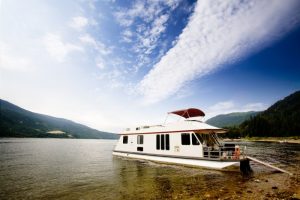
Staying on a houseboat or yacht via Airbnb offers a luxurious and unusual experience. Locations range from tranquil canals in Amsterdam to scenic waterfront locations in Florida. Amenities vary depending on the specific listing, but many include fully equipped kitchens, comfortable living spaces, and private decks with stunning views. For example, a houseboat stay on the canals of Amsterdam offers a unique perspective of the city, while a yacht stay in the Florida Keys provides access to stunning beaches and watersports.
The Airbnb vacation rental market continues to evolve, driven by technological advancements, changing travel preferences, and evolving regulatory landscapes. By understanding the key factors influencing success – from strategic pricing and effective marketing to exceptional guest experiences and legal compliance – both hosts and travelers can maximize their potential. This guide has provided a foundation for navigating this dynamic market, empowering hosts to build thriving businesses and travelers to plan unforgettable journeys.
The future of travel is undoubtedly shaped by platforms like Airbnb, promising exciting opportunities for both sides of the equation.
FAQ Guide
How do I choose the right Airbnb for my trip?
Consider your budget, desired location, amenities, and the number of guests. Read reviews carefully and check the host’s response rate and cancellation policy.
What should I do if there’s a problem with my Airbnb booking?
Contact Airbnb’s customer support immediately. They can mediate disputes and offer solutions. Document any issues with photos and communication.
Are Airbnb rentals safe?
Airbnb offers various safety features, but it’s crucial to read reviews, verify host identities, and communicate clearly before booking. Exercise common sense and caution as you would with any travel accommodation.
What are the typical cleaning fees on Airbnb?
Cleaning fees vary greatly depending on the property size and location. They are typically separate from the nightly rate and are clearly stated in the listing.
How do I become an Airbnb host?
Create an account on Airbnb.com, list your property with detailed descriptions and photos, set your pricing, and establish your house rules. Be prepared to respond promptly to guest inquiries.